
Are You Suffering from TMJ/TMD?
The temporomandibular joint (TMJ) is the hinge that connects your jaw to your skull. It allows you to perform essential movements like speaking, chewing, and yawning. When this joint and the surrounding muscles become inflamed, misaligned, or stressed, it can lead to a condition known as TMJ disorder (TMD).
Symptoms include:
Jaw pain or tenderness, especially when chewing
Clicking or popping sound when opening or closing the mouth
Locking or difficulty opening the mouth fully
Headaches or migraines, particularly around the temples
Earaches or ringing in the ears (tinnitus)
Neck and shoulder pain
Pain or stiffness in the jaw muscles
Limited range of motion in the jaw
Our TMJ Diagnosis Process
Diagnosing a TMJ disorder involves a thorough evaluation of your medical history, symptoms, and jaw function.
During your visit, we will:
Assess Your Symptoms
Take detailed notes on the severity, frequency, and nature of your jaw pain, headaches, or other related symptoms.
Conduct a Comprehensive TMJ/Orofacial Exam
Examine your jaw, head and neck muscles, and jaw movement to identify areas of dysfunction.
Utilize Diagnostic Imaging
Our CBCT (Cone Beam Computed Tomography) technology captures precise, detailed scans of your jaw and TMJ with minimal radiation exposure.
Comprehensive Health Review
Consider your overall health, lifestyle, and any other factors that could contribute to your symptoms.
Using this information, we develop a personalized treatment plan tailored to your needs, designed to relieve discomfort and restore proper jaw function.
Our Non-Surgical TMJ Treatment Options
We specialize in a variety of non-surgical treatments that are tailored to each patient’s specific symptoms and needs. Our goal is to relieve pain, improve function, and prevent the progression of TMJ disorders.
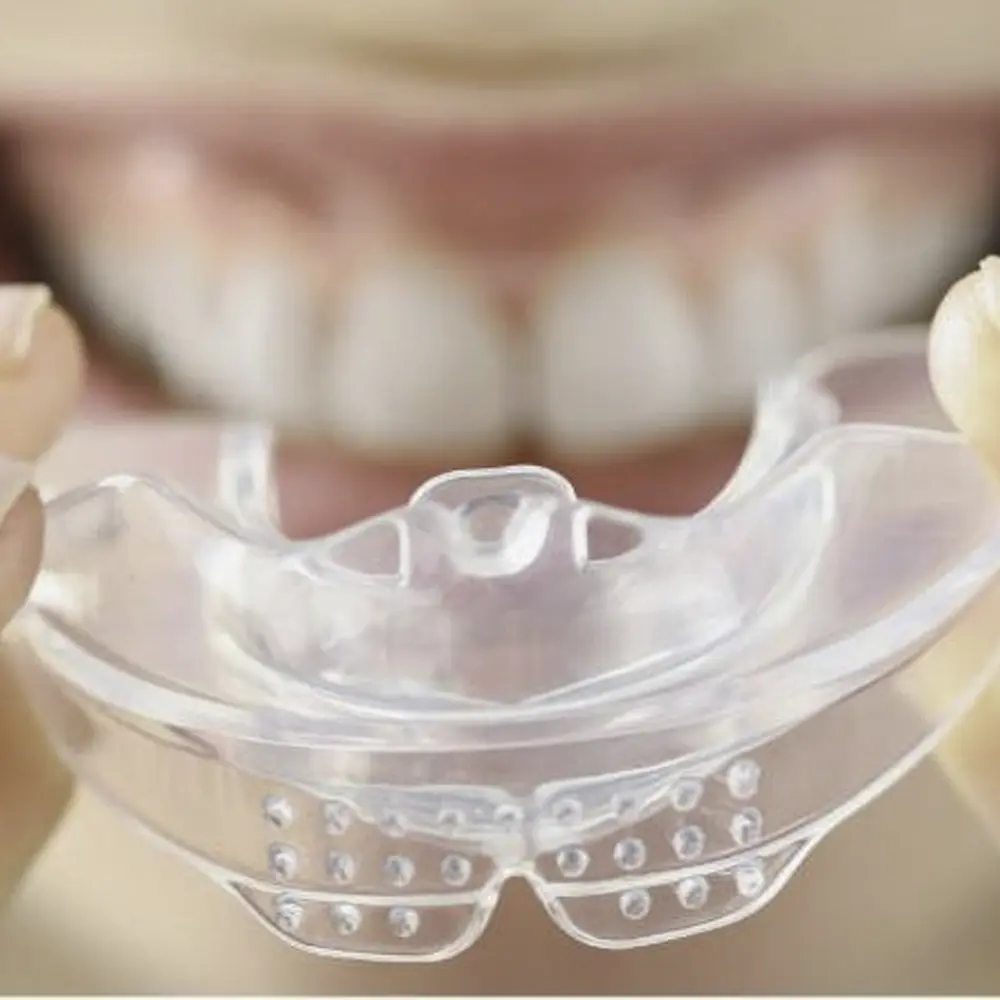
Orthotic Appliances (Night Guards and Splints)
An orthotic appliance (TMJ splint) is a custom-made dental device worn over the teeth to properly position and stabilize the jaw joints.
Learn More
It helps to:
- Decrease jaw muscle tension
- Reduce grinding and clenching
- Relieve TMJ-related headaches and neck pain
- Improve ear-related symptoms such as fullness, ringing, or pressure
Many people often confuse orthotic appliances with night guards.
A night guard or over-the-counter device mainly protects the teeth from grinding damage and, in some cases, may make a TMJ condition worse.

Trigger Point Injections
Trigger points are tight “knots” within muscle tissue that can cause pain at the site or refer pain to other areas, such as headaches, ear discomfort, or even toothaches.
Learn More
We precisely target the affected muscles to help:
- Relieve muscle spasms
- Reduce jaw stiffness and soreness
- Decrease referred pain
- Promote faster healing of irritated tissues
The procedure is quick, performed chairside, minimally invasive, and designed to relax the muscle and restore normal function.
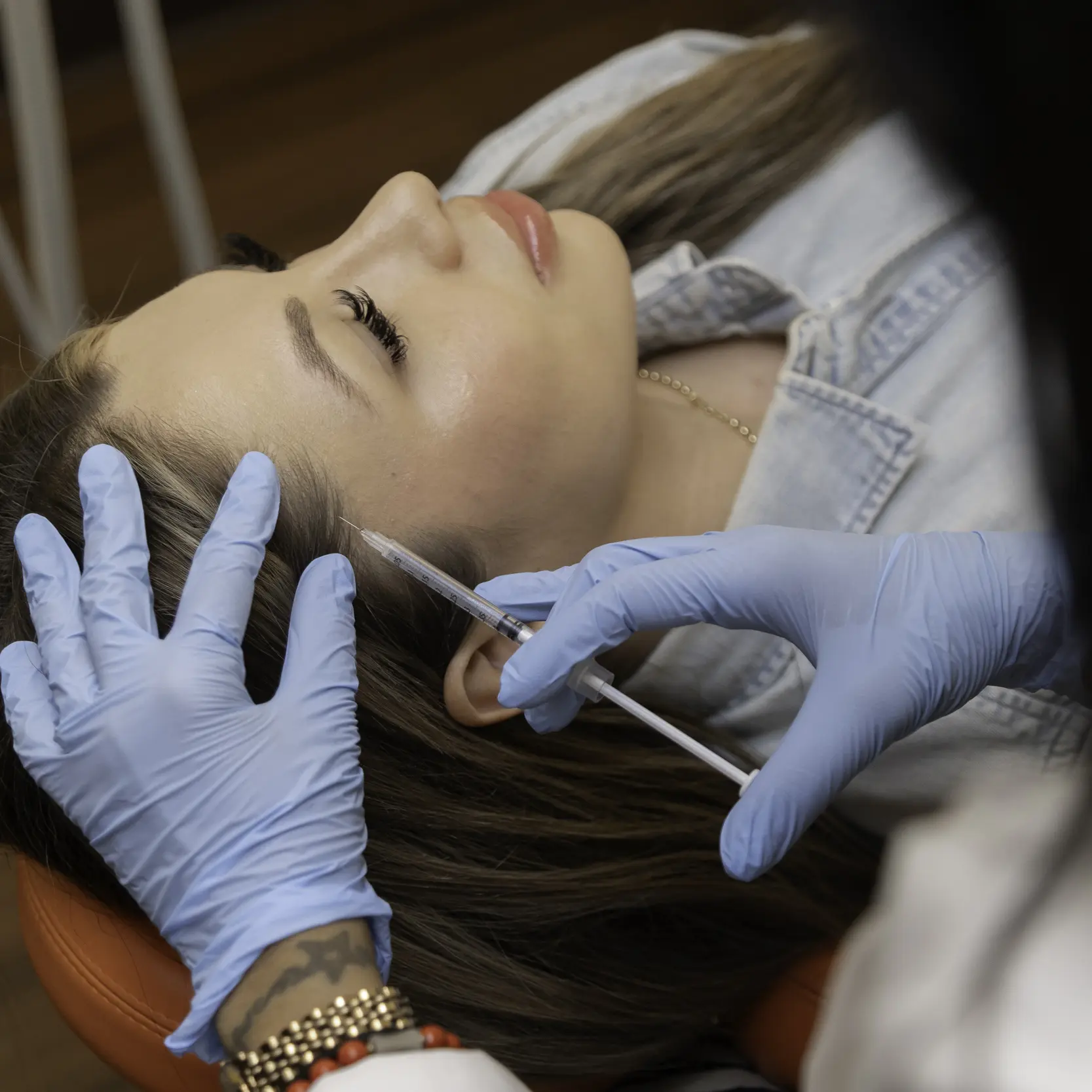
Botox for TMJ Pain Relief
Botox® injections are an effective treatment for TMJ-related muscle pain and certain types of neuropathic facial pain.
Learn More
By carefully injecting small amounts of Botox into targeted areas of the head and neck, we can help to:
- Relax tight, overworked muscles that contribute to jaw pain and tension
- Reduce muscle spasms and excessive clenching
- Help manage neuropathic facial pain
- Alleviate TMJ-related headaches and neck pain
The treatment is quick, performed chairside, and minimally invasive. Results typically last several months, providing sustained relief without surgery and improving overall comfort and function.

Pharmacotherapy
We offer carefully selected medications, including muscle relaxants, anti-inflammatory drugs, and low-dose antidepressants, to help manage pain conditions.
Learn More
These medications can provide relief for muscle pain, headaches, burning mouth syndrome, and neuropathic facial pain, while supporting a gradual transition to non-medication therapies when appropriate.

Collaborative Care for Orofacial Pain
Orofacial pain is often a multifactorial condition. Due to the complexity of these conditions, effective evaluation and treatment frequently involve a team of specialists.
Learn More
We collaborate with neurologists, ENT specialists, physical therapists, dentists, rheumatologists, and other providers as needed.
This collaborative approach ensures a thorough evaluation and coordinated treatment plan, providing more effective and lasting relief.
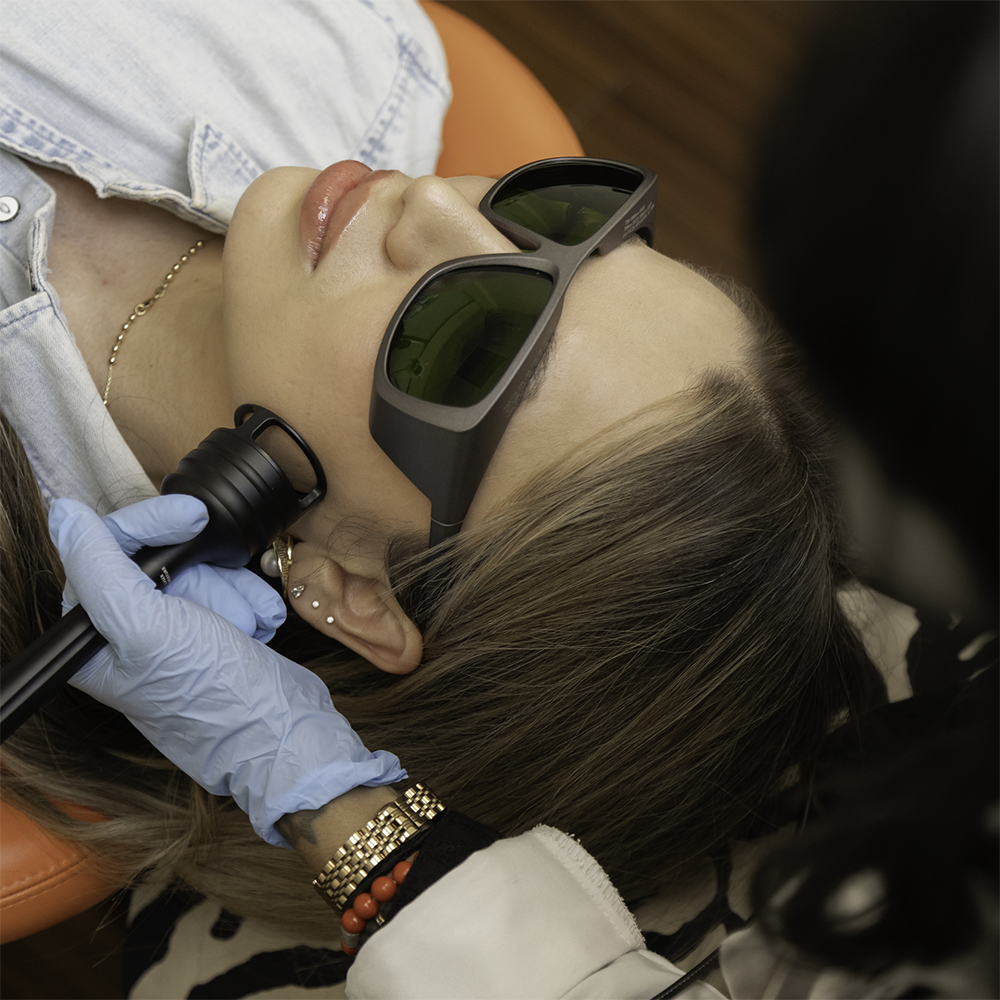
Laser Therapy / photobiomodulation for Pain Management
Laser therapy is a non-invasive treatment designed to relieve pain, reduce inflammation, and promote tissue healing.
Learn More
It can be used for conditions such as muscle pain and Burning Mouth Syndrome (BMS).
The procedure is quick, painless, and minimally invasive, and it can be used alone or alongside other therapies to provide effective, long-lasting pain relief.
Why Early Treatment Matters
Untreated TMJ disorders can worsen over time, leading to chronic pain and other complications. Seeking timely and effective care can restore your quality of life and prevent further damage to your jaw joint.
Prevents progression: early care can stop worsening joint inflammation, disc displacement, or degeneration that lead to chronic symptoms.
Easier, less invasive fixes: conservative measures (self-care, bite splints, PT, behavior change) are more effective before structural changes require injections or surgery.
Faster symptom relief and restored function: treating early shortens pain duration, improves jaw opening and chewing, and reduces headaches/ear symptoms.
Lowers long-term costs and disability: avoiding chronic pain reduces need for repeated treatments, work disruption, and psychological impacts like anxiety or poor sleep.
Better overall outcomes: addressing contributing factors (clenching, posture, sleep, dental issues) early improves recovery and prevents recurrence.